Ireland today suffers from a reputation that worries many travelers: it has become a particularly expensive destination. Between rising hotel prices, car rental costs, and sometimes high restaurant rates, many visitors wonder if it’s still possible to explore the Emerald Isle without breaking the bank.
The answer is yes.
Traveling in Ireland on a budget remains perfectly feasible in 2026. You just need to adjust your itinerary, choose the right times to visit, and know a few tips that can significantly reduce expenses.
Here’s how to enjoy Ireland without blowing your budget.
Since the pandemic, tourism prices have risen sharply in Ireland. Accommodation now represents the biggest expense.
In highly touristic areas like Dublin, Killarney, or Connemara, hotel prices can sometimes match those of major European capitals.
Car rentals also vary greatly depending on the season.
However, Ireland isn’t limited to its most popular destinations. Many regions remain accessible to travelers on a tight budget.
For a week in Ireland, average budgets can be as follows:
| Type of Trip | Budget per Person |
|---|---|
| Budget | €700 to €900 |
| Comfortable Budget | €1,000 to €1,500 |
| Luxury Trip | €2,000 and up |
A flexible traveler can still discover Ireland without exceeding €100 to €120 per day.
July and August are the priciest months.
Hotels can charge 30 to 50% more than during the rest of the year.
The best times to travel on a budget are:
The weather can be pleasant, and tourist sites are much less crowded.
Many travelers spend several days in Dublin, while one or two nights are often enough.
Accommodations there are among the most expensive in the country.
Limiting your stay in the capital can save you several hundred euros.
Some regions offer excellent value for money:
Bed and Breakfasts often help reduce expenses while offering a warm welcome.
Breakfast is usually included.
Hosts often share tips on local sights and restaurants.
In some rural areas, you can still find rooms for €80 to €110 for two people.
A car rental is a significant expense for a solo traveler.
For couples or families, the cost becomes much more reasonable.
A small car rented off-season can cost less than €40 per day.
By sharing:
your transport budget remains quite manageable.
Unlike some destinations, Ireland’s main attractions don’t cost a thing.
Among the most beautiful free sites are:
The Wild Atlantic Way offers hundreds of kilometers of landscapes accessible at no cost.
Restaurants can be a significant budget item.
A few tips to save money:
Irish supermarket chains offer quality products at reasonable prices.
For a first trip, trains and coaches connect several destinations:
Although some regions remain hard to reach without a car, it’s possible to organize an economical trip using public transport.
Certain choices can significantly increase expenses:
A well-planned trip can often save you several hundred euros.
Ireland is no longer the budget-friendly destination it was twenty years ago.
However, it remains perfectly accessible to travelers who prioritize:
True Irish luxury isn’t always found in prestigious hotels.
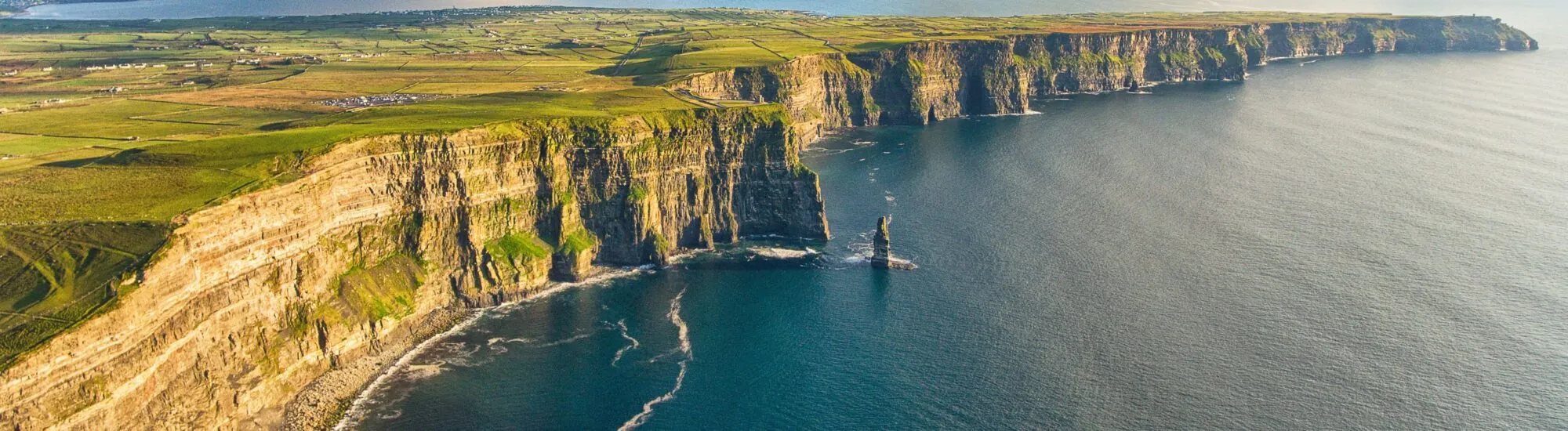
It’s often discovered along a road in Mayo, facing the Atlantic, in a village pub, or atop a wind-swept cliff.
And those moments? They remain completely free.